

Flemington, NJ
Flagship · Open MRI8100 Wescott Drive
Flemington, NJ 08822Hunterdon Medical Campus
Walk-ins welcome every day of the week· Same-day & urgent appointments
Your spinal discs are cushions between the vertebrae. When the soft center of a disc pushes through its tougher outer layer, it can press on a nerve and cause pain in the neck, back, arm or leg. Most herniated discs get better without surgery.
Discs lose water and flexibility with age, so the outer layer tears more easily.
Lifting heavy objects without bending your knees puts extra pressure on the discs.
A fall, a car accident or an awkward twist can tear a disc.
More weight means more load on the discs of the low back.
Smoking reduces the blood supply to the discs and speeds up wear.
Jobs with frequent lifting, bending or vibration raise the risk.
We check your strength, reflexes and sensation to find which nerve is involved. X-rays rule out other problems, an MRI shows the herniated disc itself, and an EMG nerve study can confirm nerve irritation.
We see patients from across Hunterdon, Somerset and Warren counties, including Raritan Township, Readington, Ringoes, Somerville, Branchburg, Raritan, Hackettstown, Phillipsburg, Belvidere.
8100 Wescott Drive
Flemington, NJ 08822Hunterdon Medical Campus
1081 Route 22
Bridgewater, NJ 08807
1 Hawk Point Blvd, Suite D
Washington, NJ 07882
 MD
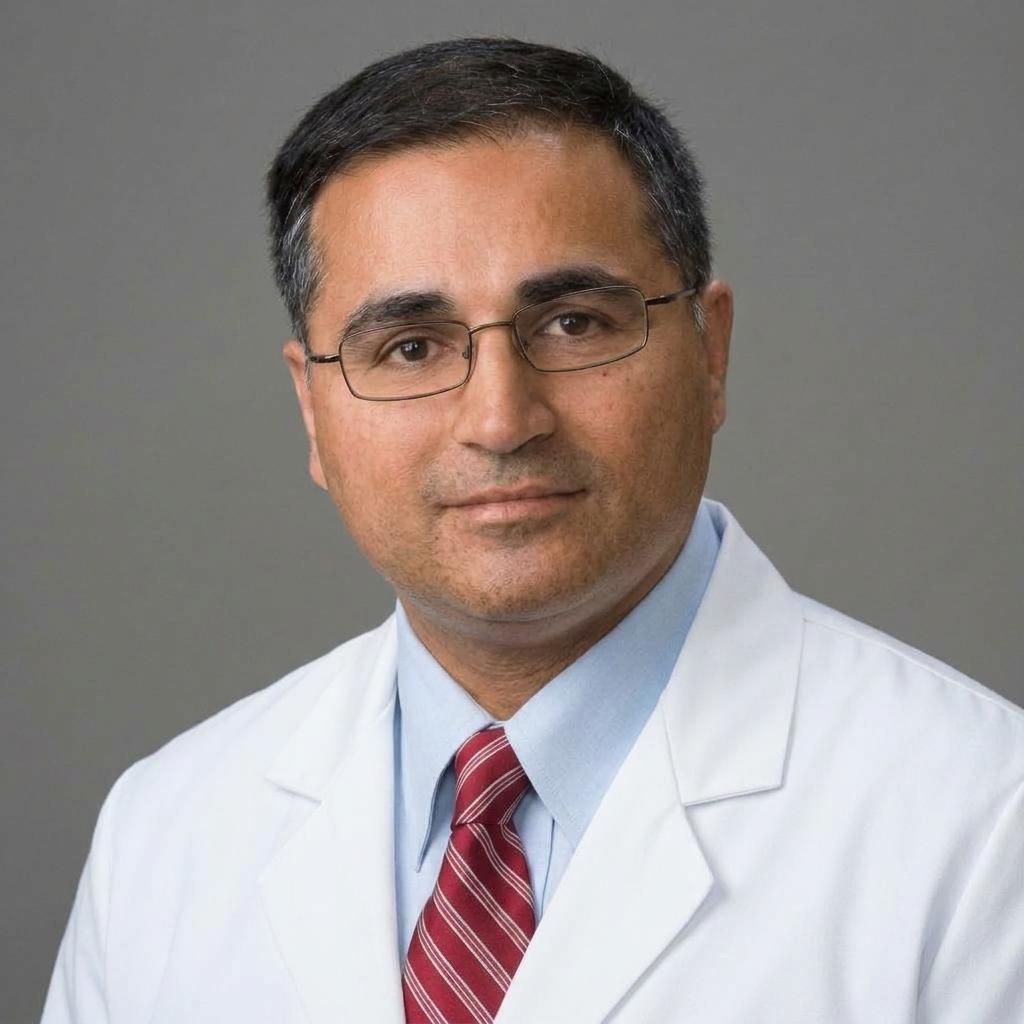 MD
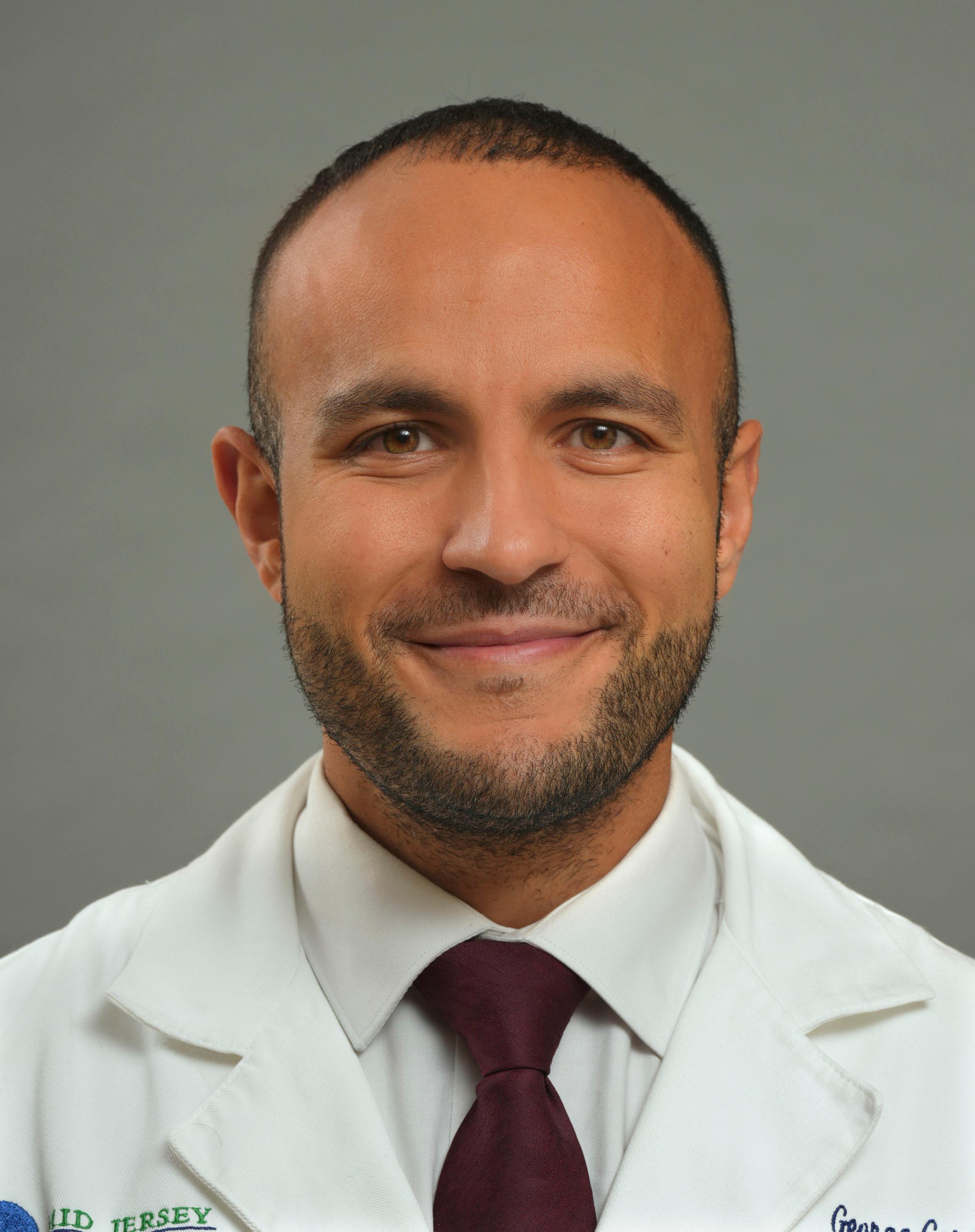 MD
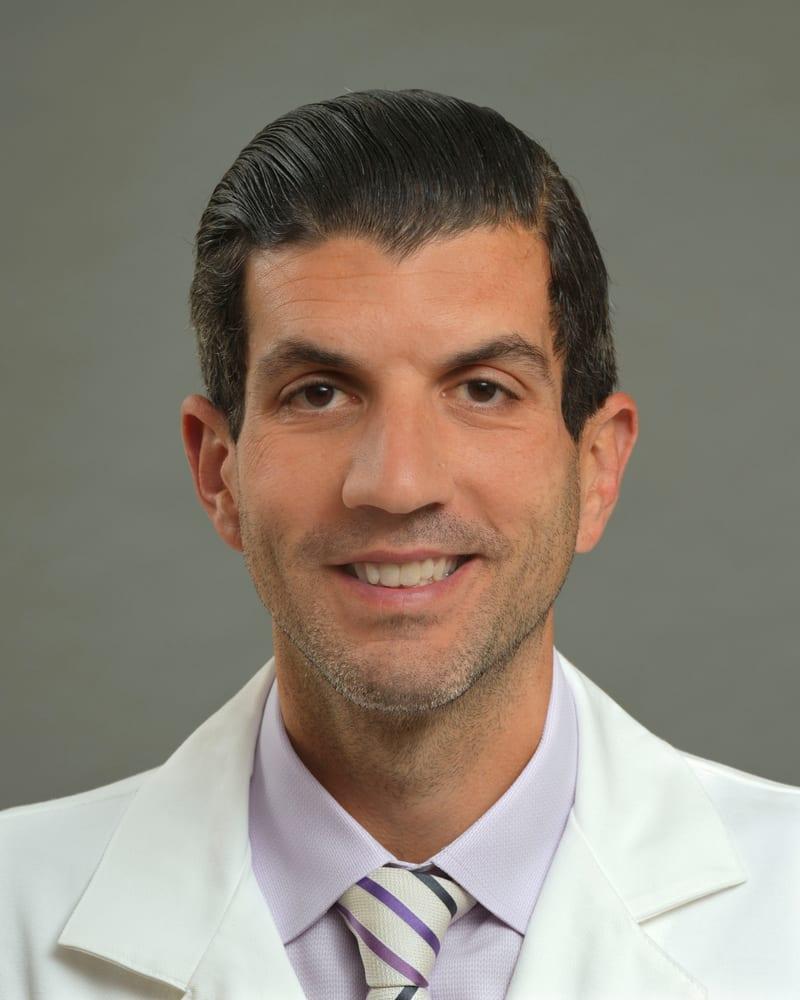 MD
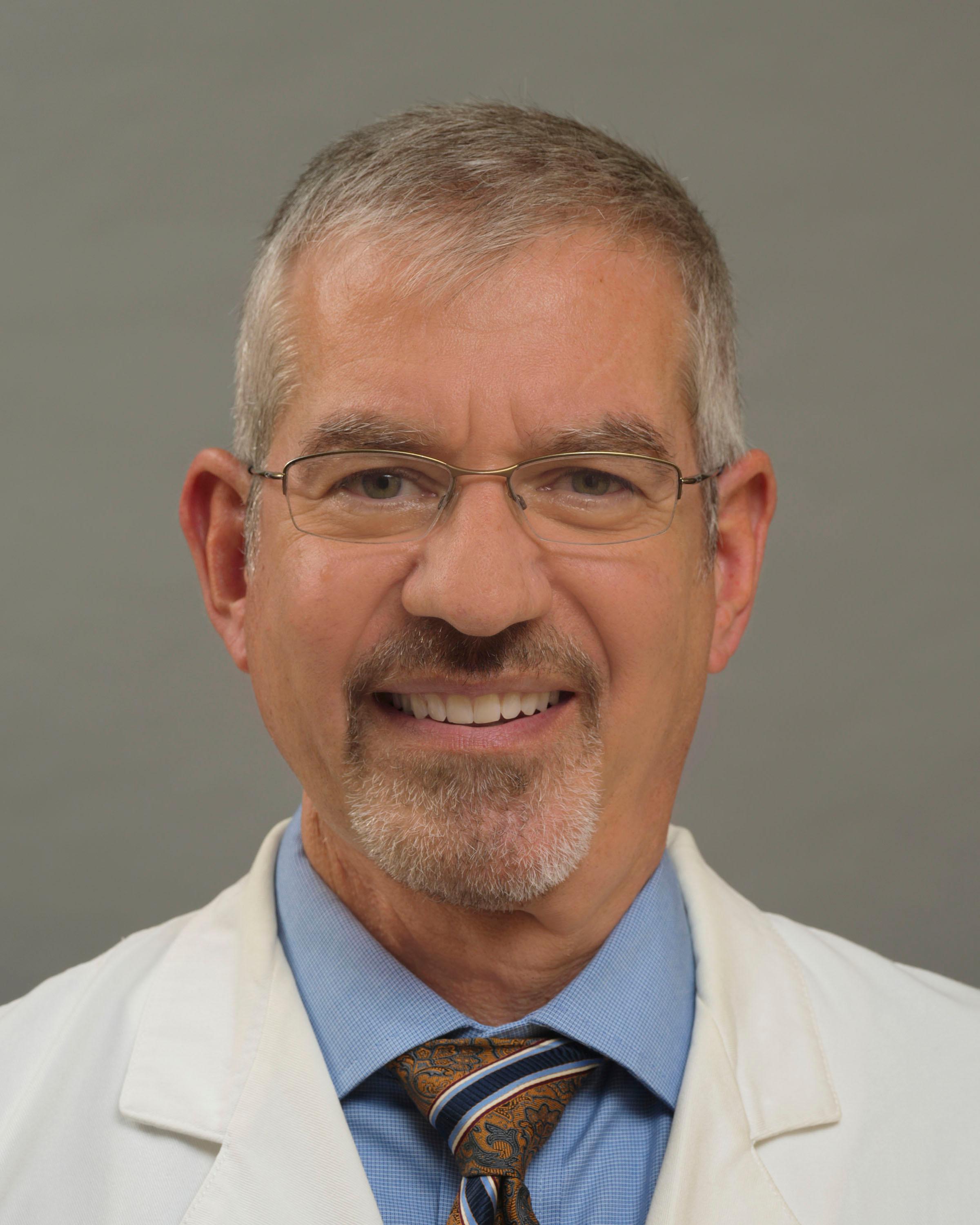 MD
Yes. The body often reabsorbs part of the herniated material, and most people feel much better within six weeks to three months with conservative care.
Not quite. A bulging disc spreads out evenly around its edge, while a herniated disc has a tear that lets the inner material push out. Both can press on a nerve.
Surgery is considered if pain continues after several weeks of good conservative care, or sooner if weakness is getting worse or you lose bladder or bowel control.
Let us take a look. Walk-ins welcome every day of the week, or call 908-782-0600 and we will match you with the right specialist.