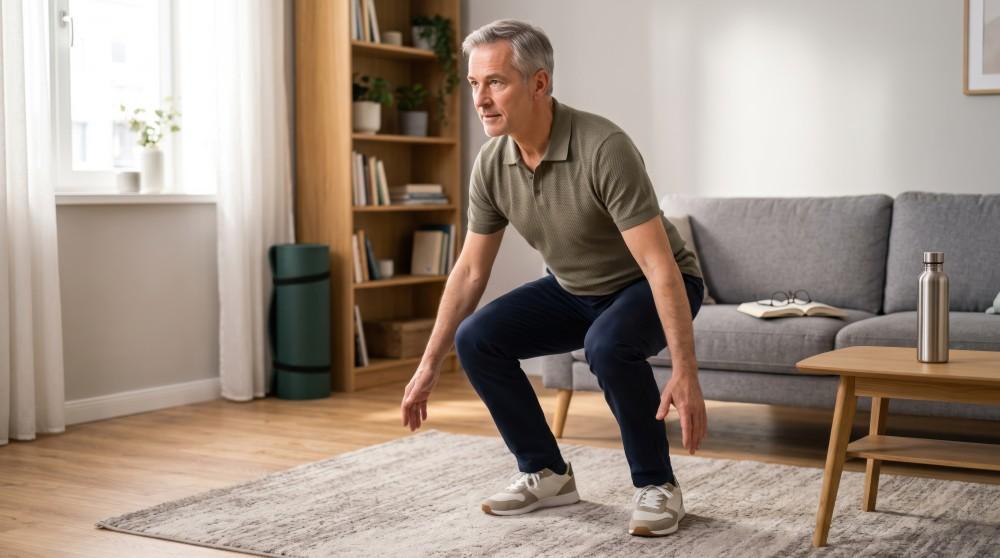
Aging causes lots of changes, including changes to your bones. Most people know that as they get older, their bone density also changes, typically declining with every passing year. Without a plan in place to slow that decline, you put yourself at risk of developing osteoporosis — literally “porous bones” — along with serious fractures.
Fortunately, age-related bone weakness isn’t a given. At Mid-Jersey Orthopaedics, our team routinely works with patients to design and maintain personalized routines that support healthy bones and joints for years to come. Here are five simple tips to help you start your own routine.
1. Make weight-bearing exercise part of your routine
When most of us think of weight-bearing activities, we think of literally lifting weights over and over again. But walking is a weight-bearing activity, too — and regular walking is one of the simplest ways to support your bones as you get older.
Weight-bearing activities like walking encourage your bones to stay strong while keeping your joints flexible, too. Best of all, you don’t need to run marathons or spend hours at the gym to reap the benefits. A simple walk during your lunch hour or after work is all it takes to help your bones and joints stay healthy.
2. Give your bones the nutrients they need
Your bones rely on calcium to stay strong, and vitamin D helps your body absorb it. Getting enough of both is important as you get older, especially for women after menopause, when bone loss speeds up.
Most of us know calcium comes from dairy foods like milk, cheese, and yogurt, but you can also find it in calcium-fortified plant milks, leafy greens, and even calcium-fortified orange juice. Eggs, certain types of fish, and fortified foods (like many cereals) offer ample vitamin D. Ideally, you’ll get what you need from food, but you can also get these nutrients from supplements when necessary.
3. Build strength and balance
As noted earlier, walking is a great way to help maintain bone health, but strong bones and healthy joints also depend on the muscles that support movement. Like bone density, muscle mass and strength can also decline with age, making everyday movements more challenging. Muscle loss can also affect your balance, increasing your risk of falls and fractures.
Resistance exercises using weights, machines, or resistance bands help preserve muscle, build strength, and support bone health, too. Balance activities like yoga and tai chi help you feel — and be — steadier on your feet.
4. Maintain a healthy weight
Extra weight adds strain to your joints, which can lead to discomfort and make everyday activities like walking, climbing stairs, and even getting up from a chair more challenging. Plus, carrying extra pounds saps your energy, making any activity feel like an effort.
Dropping excess pounds isn’t easy, but the key to success is to focus on small, sustainable habits rather than major diets or “quick-fix” fads. Eating balanced meals, staying active, and building muscle help maintain a healthy weight while supporting bone and joint health. Joining a support group can help — ask our team for recommendations.
5. Protect your bones for the long term
Exercise and diet aren’t the only habits that can protect your bones and lower your risks of joint pain and other issues. Smoking can weaken bones, while heavy alcohol consumption can increase the risk of bone problems and falls. Avoiding tobacco and limiting alcohol are important steps toward protecting your long-term mobility and overall quality of life.
It’s also worth discussing your bone health with our team, especially if you have a family history of osteoporosis or other medical conditions that could affect your bones and joints. A simple, noninvasive bone density test can help you better understand your risk factors, so you can take appropriate steps to stay healthy.
Small changes make a big difference
One of the best things about improving your bone and joint health is that you don’t have to do everything at once. Simple changes, like adding a brief, brisk walk to your day, choosing more calcium-rich foods, or starting a simple strength-building routine can make a big difference, paving the way for more changes over time.
Most importantly, if you’re having bone or joint pain, don’t assume it’s something you “just need to live with.” Our team offers comprehensive, personalized orthopaedic care focused on helping patients relieve discomfort and stay active at every age. To learn how we can help you, request an appointment online or over the phone with the team at Mid-Jersey Orthopaedics in Flemington, Bridgewater, and Washington, New Jersey, today.